Dental Implant Technology & Success Rates

Dental Implant Technology: Manufacturing Standards, Material Complexity, and Clinical Success Rates of Each Grade
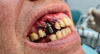
Losing natural teeth due to severe tooth decay, chronic periodontitis, or trauma is a devastating experience that deeply shakes a person's quality of life and self-confidence. The greatest fear is not merely the aesthetic decline, but the domino-effect collapse of the entire masticatory system. The underlying alveolar bone begins to resorb and collapse, causing adjacent teeth to shift, lean, and prematurely age the facial structure. In the past, the only alternatives were removable dentures, which often caused immense discomfort, slipping, clicking, and chronic tissue irritation. Consequently, many patients chose to chew on one side only, leading to severe digestive issues and long-term nutritional deficiencies.
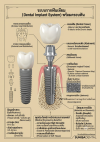
Today, Dental Implants have emerged as the gold standard for restoring smiles and chewing functions, completely mimicking natural teeth. However, as a Prosthodontist at SUNISADENTAL (Dr. Sunisa's Prosthodontic Clinic, Nakhon Phanom), I must emphasize that a successful implant procedure does not rely solely on the surgeon's clinical skill. The absolute core of long-term stability lies in the highly complex "surface science and material engineering" of the implant fixture itself. This matches clinical analyses published in the world-renowned dental journal Dental Economics, which states that manufacturing standards, surface topography, and the specific implant grade are the definitive factors dictating clinical success rates and long-term durability exceeding 10–20 years.
Engineering Material Complexity and Advanced Implant Manufacturing
Dental implant manufacturing faces a monumental bio-engineering challenge: the material must reside inside the human jawbone and remain in constant contact with moist living tissues. Therefore, manufacturing protocols must adhere to the highest regulatory standards across three critical dimensions:
Ultimate Biocompatibility: The material must be completely non-toxic, cause zero immune rejection, and actively stimulate bone cells to migrate and adhere directly to its surface.
Extreme Mechanical Resistance: The human jaw generates tremendous chewing forces. An implant fixture must possess high mechanical strength to prevent deformation, fracturing, or material fatigue over millions of functional cycles.
Nano-Scale Surface Topography: This is where engineering complexity truly separates premium implants from subpar options. Modern titanium implants are not smooth; they undergo sophisticated treatments like acid-etching or sandblasting—such as the SLA (Sandblasted, Large-grit, Acid-etched) technique—to drastically maximize surface area for bone integration.
Clinical Success Rates Breakdown Across Different Implant Grades
In the global and domestic dental markets, implants are categorized into distinct tiers based on manufacturer research and backend innovations. This classification directly influences osseointegration rates and tissue healing speeds:
- Premium International Grade (European & American Tiers)
Manufactured in leading nations like Switzerland or Sweden, these implants carry over 30–40 years of rigorous clinical research data. They utilize ultra-pure Grade 4 Commercial Titanium or cutting-edge alloys like Roxolid (a highly robust titanium-zirconium blend).
Surface Technology: Features advanced hydrophilic surfaces that actively attract blood clots and bone cells from the very first minute of placemen
Clinical Success: Boasts an outstanding success rate of 98–99%. They achieve rapid osseointegration, allowing patients to receive their final crowns within 3–4 weeks. Bone loss around the implant over time is minimized, making them ideal for patients with low bone density or systemic conditions like controlled diabetes.
2. Standard International Grade (Asian Tier)
Produced in technologically advanced Asian nations like South Korea, these implants utilize widely accepted, medical-grade pure titanium.
Surface Technology: Most brands utilize standard SLA surface treatment, which is the industry benchmark for high stability and predictable healing.
Clinical Success: Achieves an excellent clinical success rate of 95–97% in patients with healthy jawbone volume. Osseointegration typically requires 2–3 months before final crown placement, representing a highly cost-effective and reliable solution for B2C patients.
3. Subpar Low-Cost Grade (Uncertified Tiers)
Cheap, copycat implants lacking international certifications or long-term clinical trial validation. They merely replicate the external shape of reputable brands but lack structural precision.
Surface Technology: Lacks nano-scale consistency. Residual acids from manufacturing often remain on the fixture, presenting direct toxicity to living bone cells.
Clinical Success: Carries an alarmingly high implant failure rate. The bone fails to bond, leading to chronic infections, pain, and eventual implant mobility. This destroys the surrounding jawbone, making secondary revision surgeries highly complex and expensive.
Responsible Care and Ethical Implant Selection at SUNISADENTAL
Placing a dental implant is never a simple mechanical task; it is an intricate prosthodontic science. Chewing load vectors must be calculated perfectly to avoid structural fractures or bone loss down the road. At SUNISADENTAL Nakhon Phanom, located in Mueang District, we are fully committed to delivering safe, long-lasting, and valuable dental care to our community:
Led by a Prosthodontist Expert: Dr. Sunisa meticulously plans every single placement and occlusion angle utilizing high-definition 3D digital X-rays to ensure microscopic precision.
Strict Use of Certified Implants Only: We completely reject uncertified, low-cost implant tiers. Our clinic exclusively uses certified Premium and Standard International brands backed by traceable serial numbers.
Hybrid Membership for Financial Peace of Mind: Understanding that advanced dental treatments are major investments, we designed a unique membership program to lock in medical costs, buffer against medical inflation, and provide continuous family care in our relaxing VIP Family Lounge.
Do not let tooth loss or dental anxiety compromise your nutrition and wellbeing. For those seeking premium Dental Implants Nakhon Phanom or reliable Dental Care Nakhon Phanom, contact us today to schedule your comprehensive assessment with Dr. Sunisa.
References
Dental Economics: Evaluating implant grades and surface technologies in clinical practice
ADA Health Policy Institute: Long-term clinical success rates of dental implants based on surface topography